The Pepperidge Farm Story: Margaret Rudkin and the Loaf That Failed
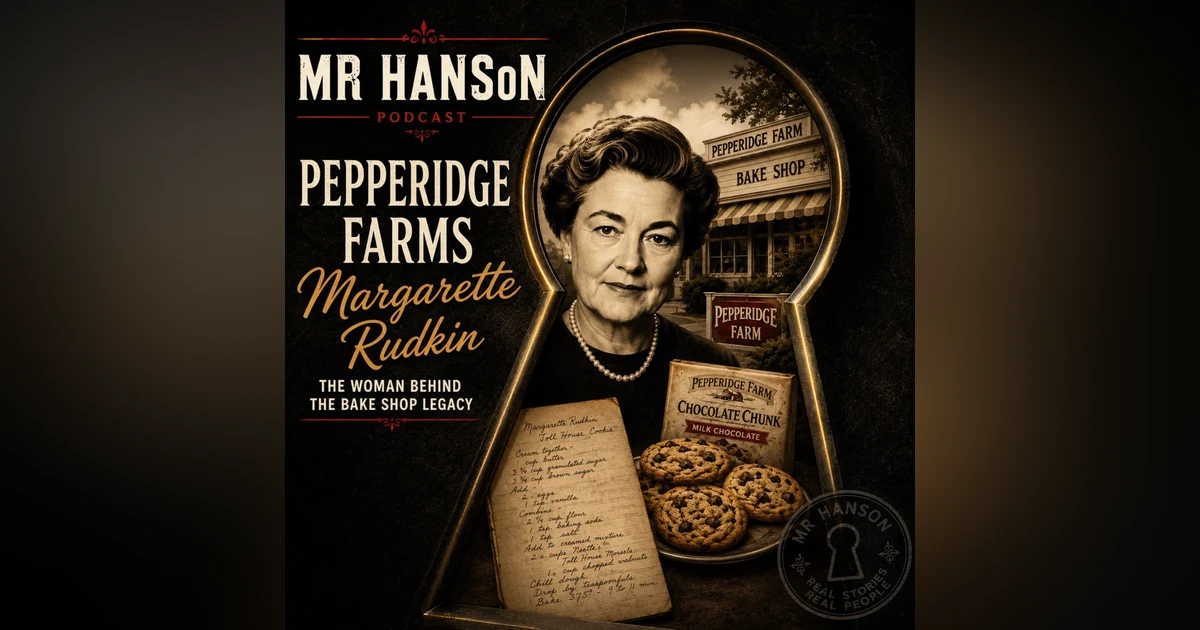


In 1937, a forty-year-old woman in Fairfield, Connecticut opened her oven and pulled out a failure. The loaf was one inch high. She said later it was hard as a rock, and that it belonged in the Smithsonian as a specimen of bread from the Stone Age. She had never baked a loaf of bread in her life. Upstairs was her nine-year-old son Mark, whose asthma and food allergies were severe enough that the family allergist had told her the mass-produced white bread on every counter in America was likely making him worse.Her name was Margaret Rudkin. Twenty-four years later she sold Pepperidge Farm to the Campbell Soup Company for roughly twenty-eight million dollars in stock and took a seat on Campbell's board of directors, the first woman ever to sit on it.This is the story of what happened in between, and it is not the story you have been told. The legend says a sweet housewife stumbled into baking and got lucky. The record says something else entirely. Margaret Fogarty graduated valedictorian in New York City, spent four years at a bank as a bookkeeper and a teller, and worked on Wall Street at the brokerage firm McClure, Jones and Company before she ever ran a household. When the crash of 1929 and her husband's polo injury took the family's income, she sold the horses, let the staff go, and turned a Connecticut estate into a working farm business years before bread entered the picture.Then came the brick, and everything that followed it. The Irish grandmother's recipe. The allergist who started prescribing her bread to other patients. The first commercial sale at Mercurio's Market in Fairfield at twenty-five cents a loaf against a dime for everything else on the shelf, in the middle of the Great Depression. Henry Rudkin carrying loaves on the morning train to Charles and Company in Manhattan. The Reader's Digest article that made the country find out all at once. The wartime decision to cut production rather than cut the formula. The trip to Brussels, the Delacre licensing deal, and the hundred-and-fifty-foot cookie oven shipped across the Atlantic.We also tell the part the inspirational version leaves out. Premium bread in a Depression was a luxury, and the same insistence on real butter and whole milk that made it trustworthy is what put it out of reach for millions of families. Both things are true, and an honest story carries both.Full episode list and show archive at www.MRHANSoNpodcast.comMy name is MR. HANSoN. And now, you know the rest of the story.
This has been a Fuzzy Life Production


